After all this time diving, you've probably experienced these things—but may not know why. Let's keep it light today—5 diving facts you might not know. See how many you've run into.
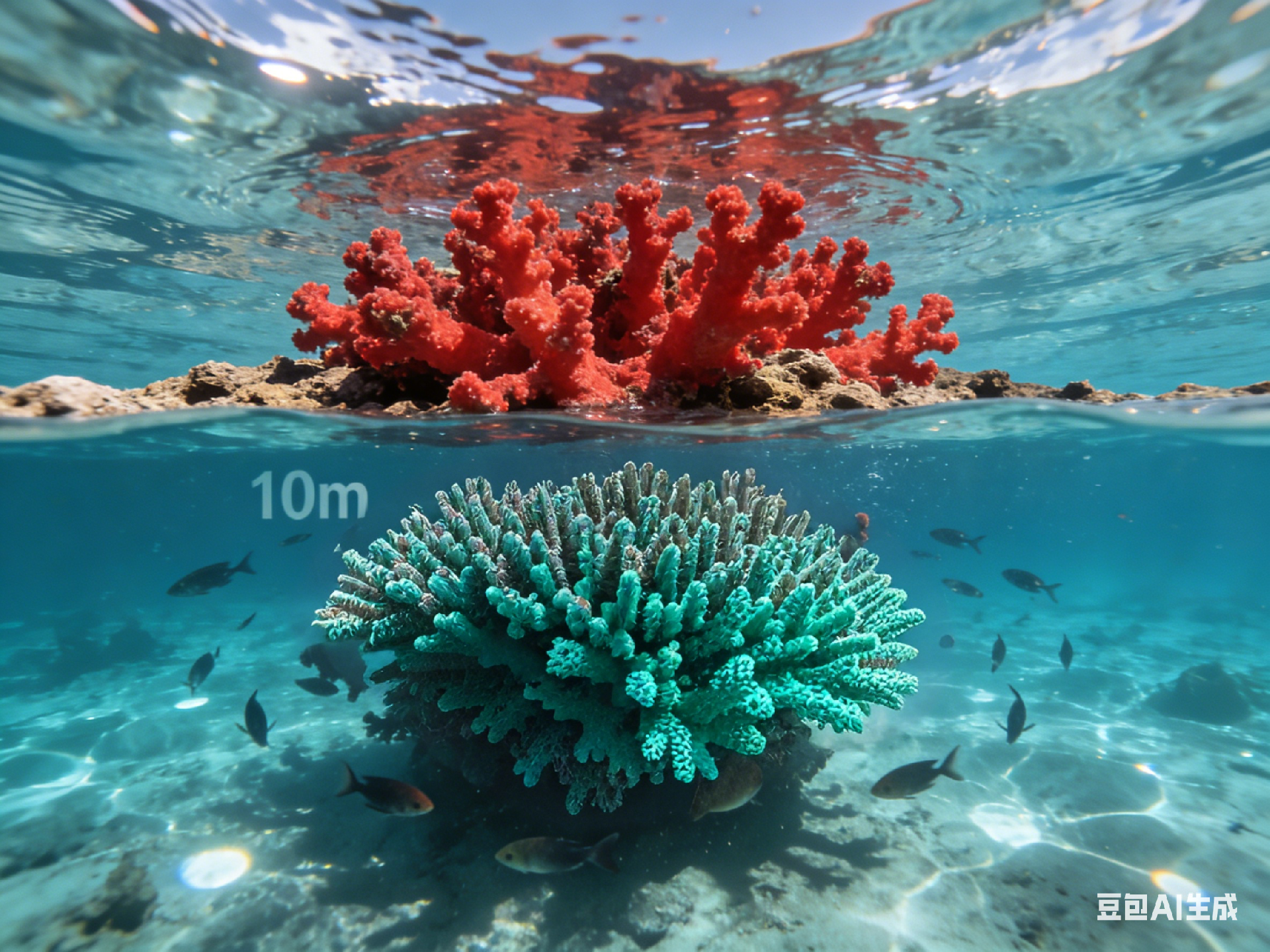
1. The first color to disappear underwater is red.
Light gets absorbed as it travels through water. Red has the shortest wavelength, so it starts fading around 5 meters. Below 10 meters, red is mostly gone. So if your underwater photos look blue-green, it's not your camera—it's physics.
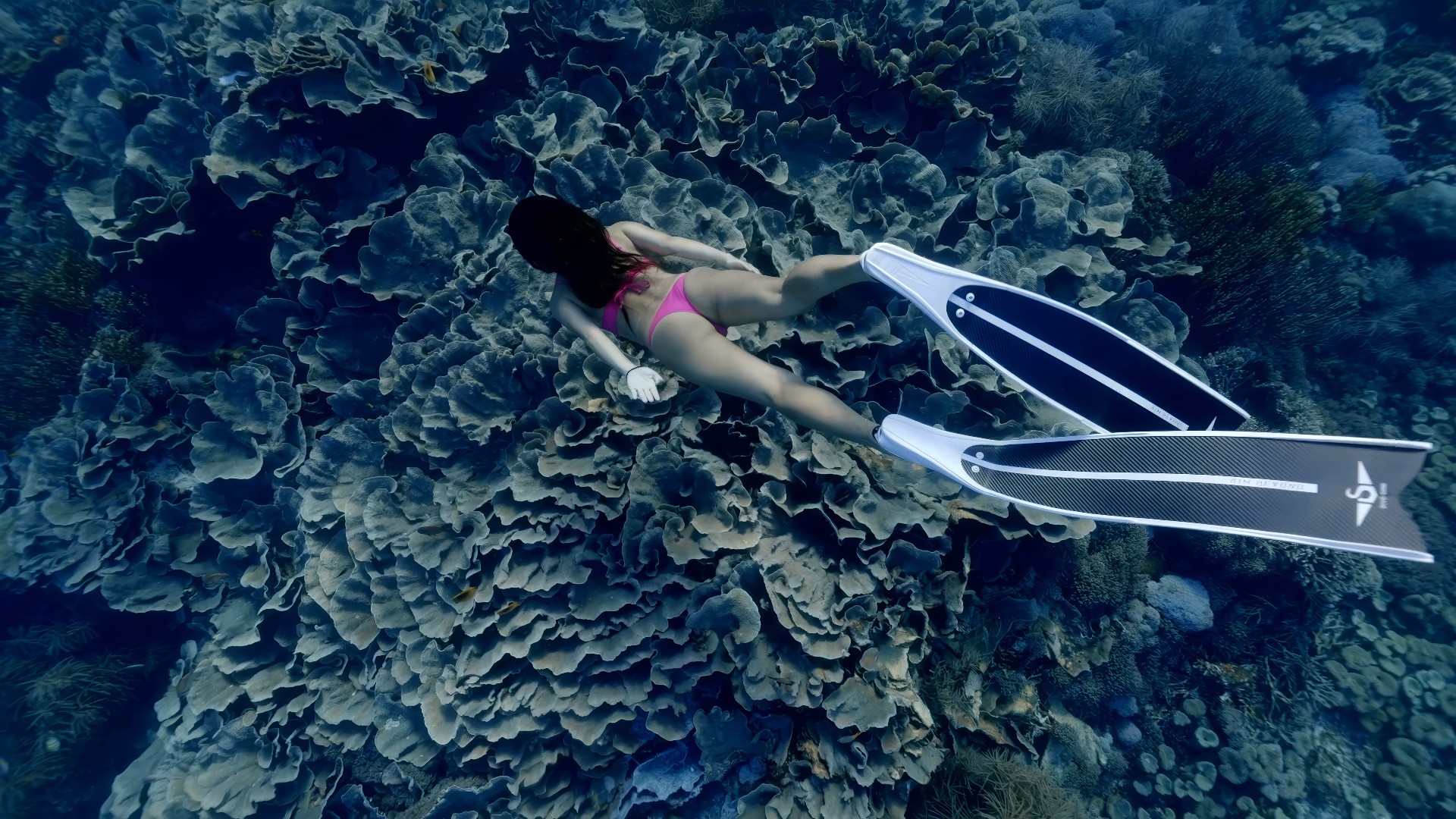
2. Why movement underwater looks like slow motion.
Water is about 800 times denser than air. Every move you make meets resistance. So divers look graceful and unhurried—not because they're posing, but because they literally can't move fast.
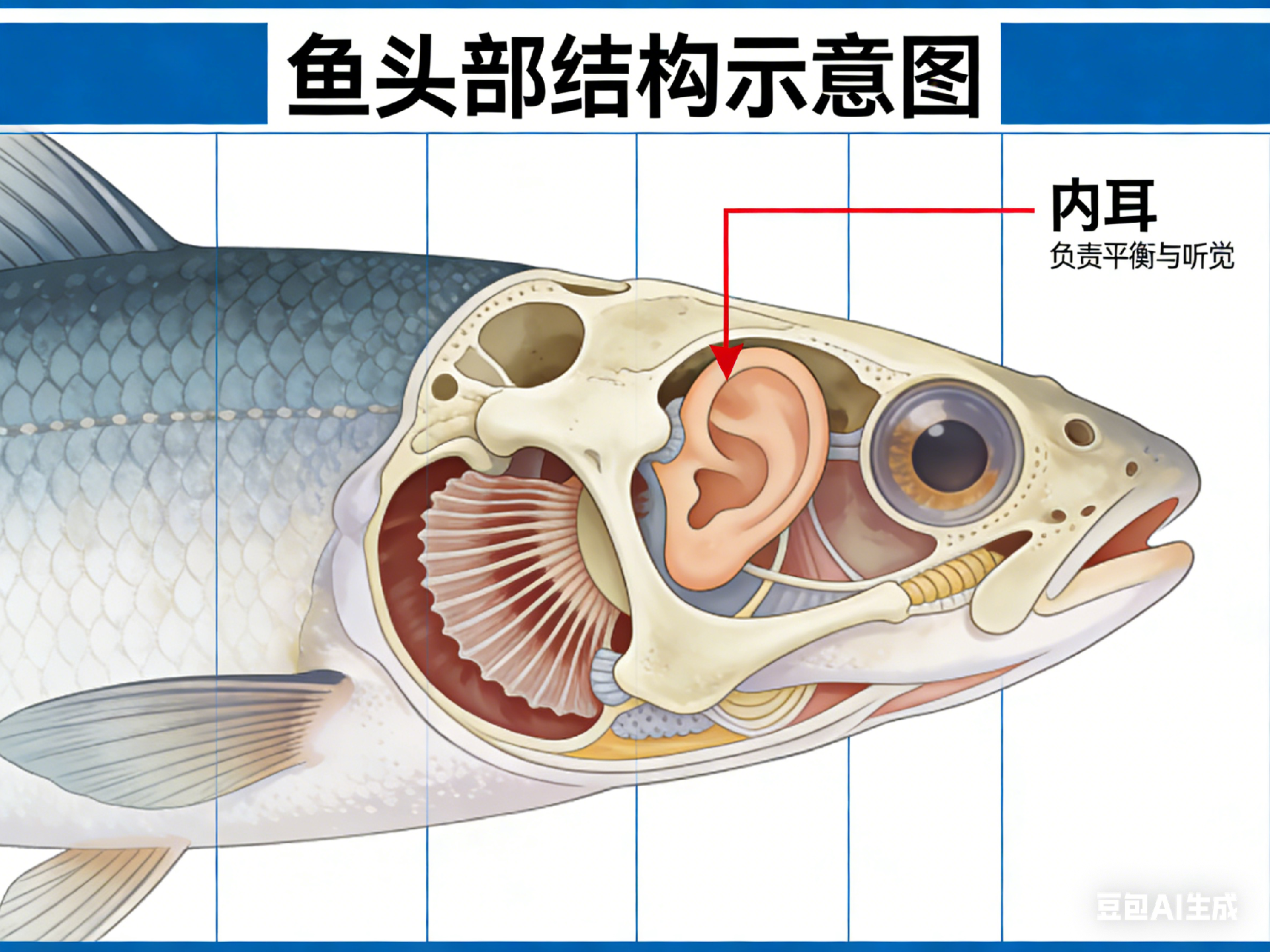
3. Do fish actually have hearing?
Yes. And it's more sensitive than you'd think. A fish's inner ear is inside its skull, and it picks up vibrations in the water. So while yelling underwater won't do much (not that anyone could hear you), banging on a tank can definitely startle fish.
4. Why is decompression sickness called "the bends"?
It's not about diving too deep—it's about coming up too fast. During a deep dive, nitrogen dissolves into your blood and tissues. If you surface too quickly, the pressure drops too fast and the nitrogen forms bubbles in your body—like popping open a bottle of soda. When those bubbles get stuck in your joints or nerves, you've got decompression sickness.

5.Why do divers use the "OK" hand signal?
Underwater, most signals are done with one hand. The OK sign is simple, clear, and easy to see even from a distance. Plus, it naturally connects to "I'm fine" and "all good"—so there's no chance of misunderstanding.

Some of these facts are about safety, some about nature, and some about how we connect with the ocean.Good gear is more than just equipment—it's a mindset.It helps you explore more safely, and move through the water with more ease—so every minute below the surface, you can focus on what really matters.
DIVESWIM
Ready for every dive you take.


