Date:2026-09-18 Views:1
Do You Have to Know How to Swim Before You Dive?
We've been asked this question far too many times.
The answer might surprise some people: not necessarily.
But don't celebrate just yet. That statement comes with conditions—and limits.
First, let's clarify: what kind of diving are we talking about?
Snorkeling and scuba diving have completely different requirements when it comes to swimming ability.
Snorkeling is when you float on the surface in a life jacket, wearing a mask and snorkel, looking down at the fish.
In that case, whether you can swim isn't really the key—you're always at the surface, supported by flotation. What truly matters is that you're not afraid of the water and can relax and breathe while floating face-down.
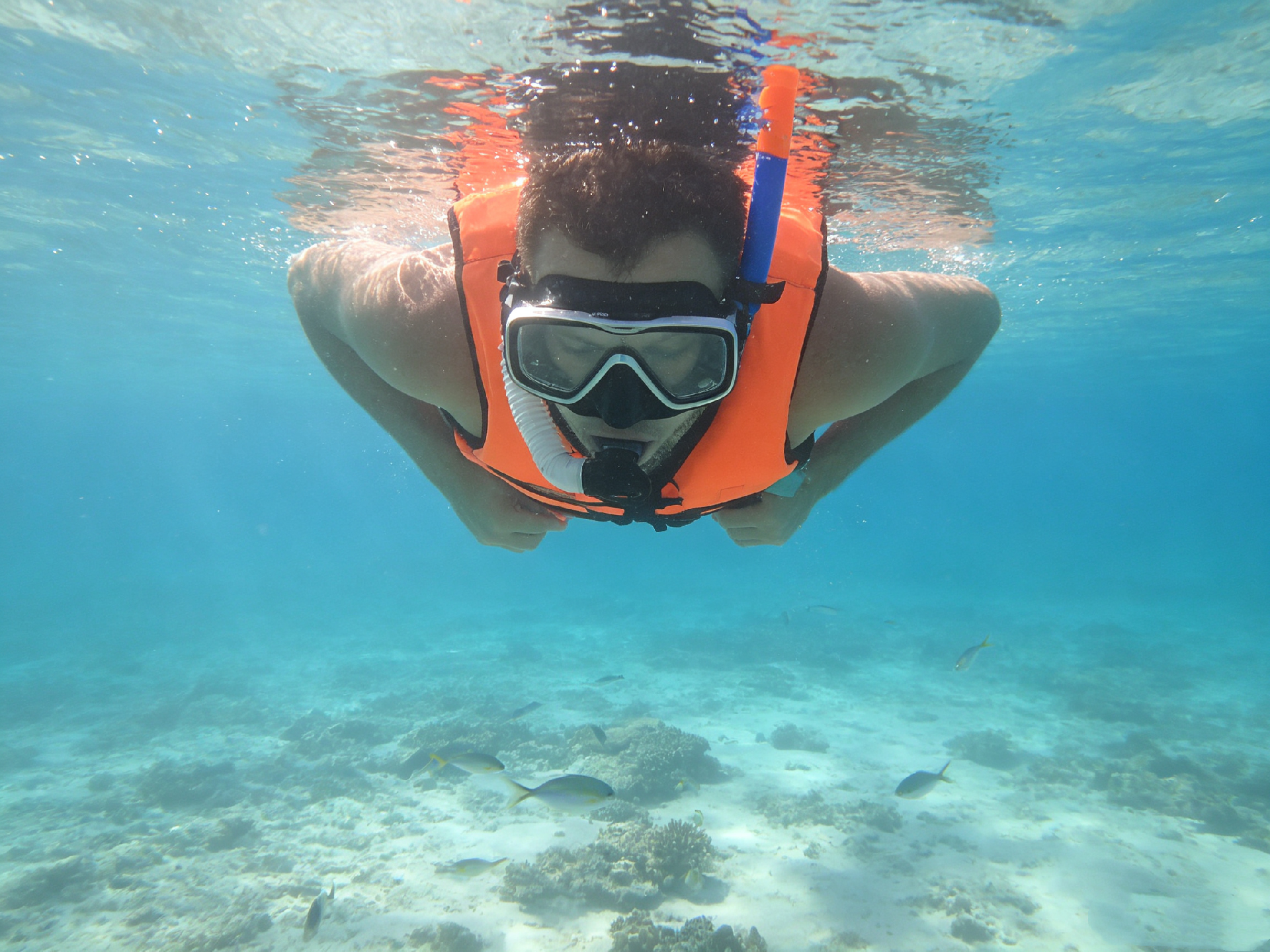
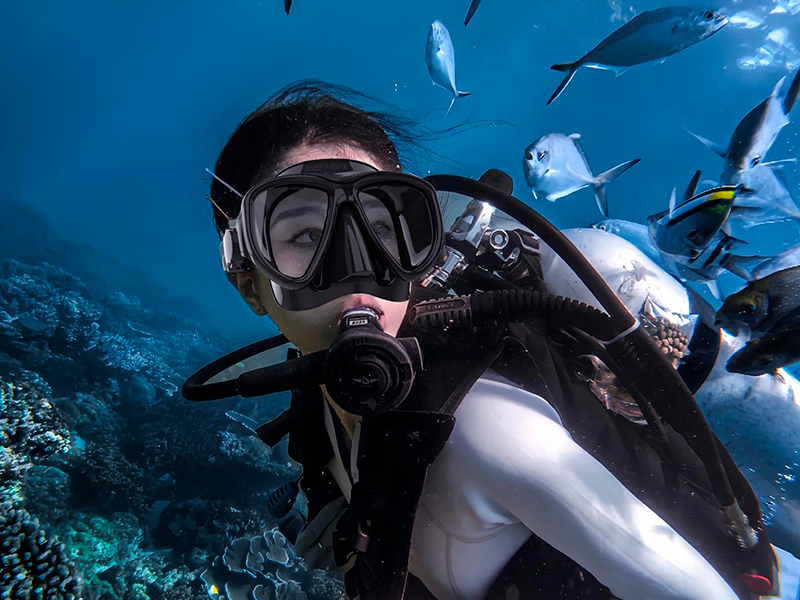
Scuba diving means descending underwater with a tank on your back. It doesn't require you to swim fast or beautifully, but it does require basic water comfort—the ability to stay calm, control your breathing, and float without support.
Scuba diving has gear to assist you, an instructor to guide you, and a buoyancy control device (BCD) to help manage your depth. It's not a swimming race—you don't need speed. But it is an underwater activity, and it asks for a relationship with the water that isn't about fighting it.
So what does "knowing how to swim" actually mean?
If by "knowing how to swim" you mean crossing the Yangtze or swimming 200 meters of butterfly stroke, then no—diving doesn't require that level.
But if by "knowing how to swim" you mean being able to swim 200 meters without panicking, tread water for 30 seconds, open your eyes underwater, and not fear water covering your face—then those abilities are extremely helpful for diving.
Major certification agencies like PADI typically require: swimming 200 meters continuously, or floating 300 meters with a flotation device, without panic in the water. That standard isn't actually high. It's not testing speed—it's testing your feel for the water.
The Real Barrier Isn't Swimming—It's Fear
We've seen strong swimmers panic the moment they get in the water, and we've seen people who barely swim glide underwater with complete ease.
The difference isn't physical—it's mental.
If you're not afraid of the water, willing to put your face in, and willing to trust your gear and your instructor, your diving journey will be much smoother.
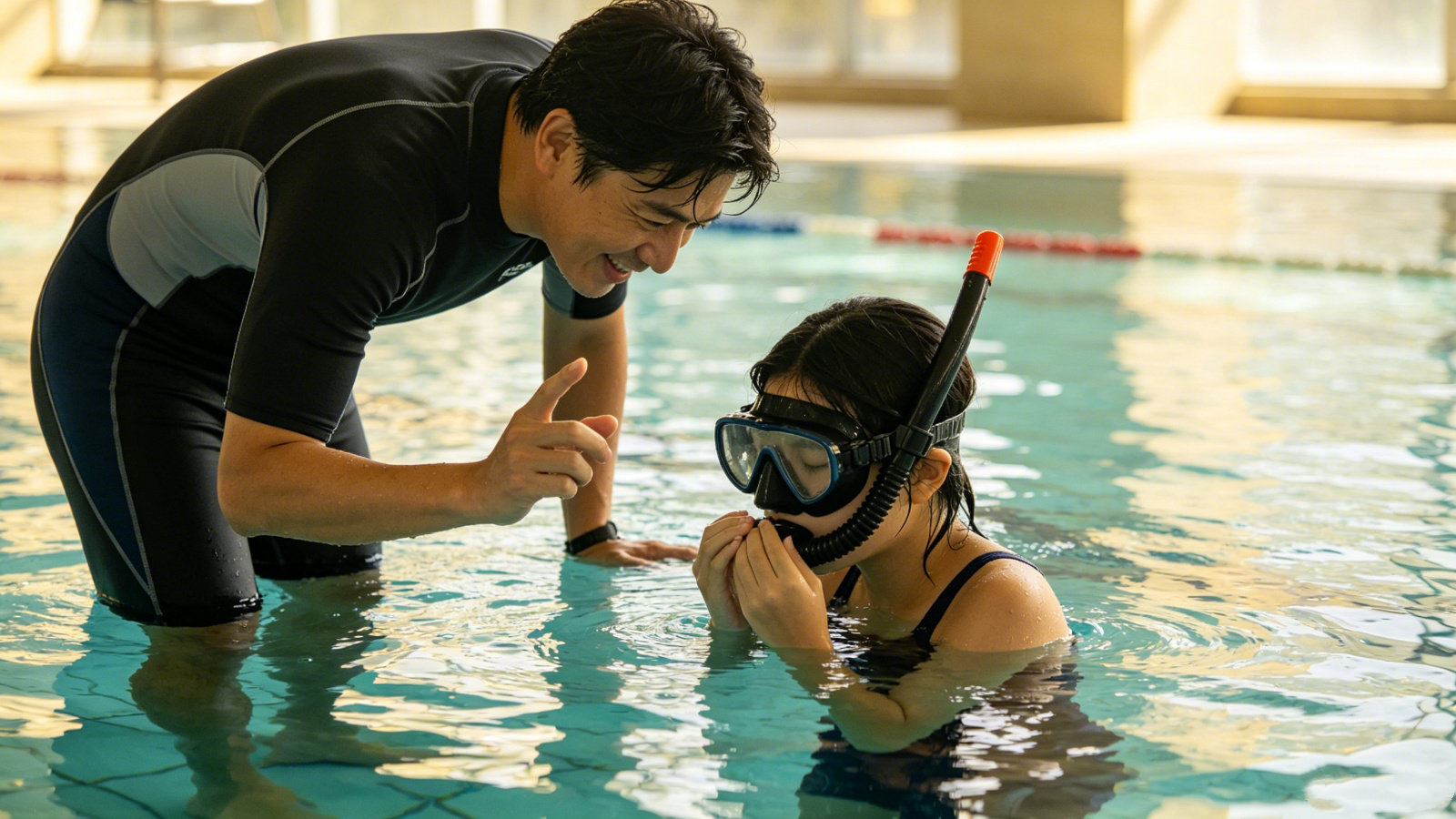
But if you're afraid of the water, no matter how well you swim, you'll tense up once you're in. And tension is the biggest enemy in diving.
So the question isn't "Can you swim?"—it's "Are you afraid of the water?"
Pre:AR Dive Mask: Why 2026 Is the Turning Point
Next:No more!


